
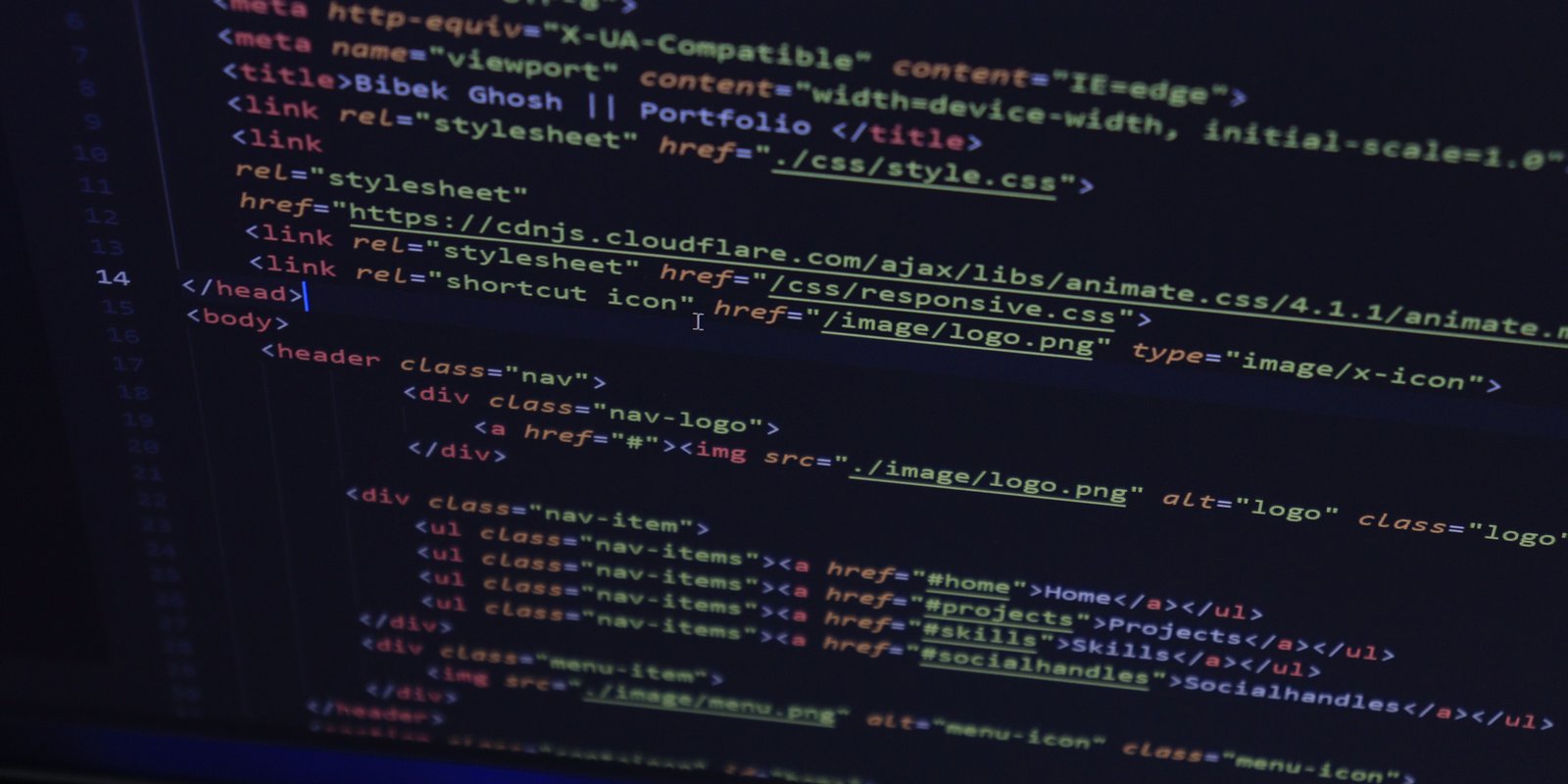

When a Raleigh business owner starts pricing a new website, one of the first choices is the platform underneath it. Most small business sites are built one of two ways: on a content management system like WordPress, or hand-coded from scratch. Both can produce a good website. They differ in how they perform, what they cost to run, and how much upkeep they need.
Here is a straight comparison, followed by how the choice tends to shake out for a local service business.
What Each Approach Means
WordPress is a content management system that powers a large share of the web. You install it on a host, add a theme for the design, and add plugins for features like forms, galleries, SEO tools, and booking. It has a huge ecosystem and a familiar editing dashboard.
Hand-coded means the site is written directly in HTML, CSS, and JavaScript, often with a modern build tool that generates fast static pages. There is no theme layer and no plugin system. Every piece of the site exists because someone wrote it for that site.
Speed
Hand-coded sites have a structural advantage here. They ship only the code the page needs, so they tend to load quickly and score well on Core Web Vitals, the performance metrics Google uses as a ranking input.
WordPress can be fast, and a well-built WordPress site with disciplined plugin use and good hosting performs well. The challenge is that themes and plugins each add code, and that weight accumulates over time as features are added. Keeping a WordPress site fast is an ongoing effort.
For a local business, where mobile visitors on cellular connections are common and speed affects both rankings and whether someone waits for the page, the hand-coded approach makes fast performance easier to reach and keep.
Security and Maintenance
WordPress's popularity makes it a frequent target, so it needs regular attention: core updates, theme updates, plugin updates, and backups. A care plan or a capable person to run it keeps a WordPress site healthy. Handled well, it stays secure. Left alone, it drifts.
A hand-coded static site has a much smaller surface to attack. There is no login-based admin on the live site and no plugins to patch, so routine maintenance is lighter.
This is a real difference in total cost of ownership. WordPress carries a steady maintenance load. Hand-coded shifts most of the effort to the build and keeps ongoing upkeep minimal.
Editing and Updates
WordPress gives you a built-in dashboard to edit content yourself, which many owners like.
Hand-coded sites handle this in one of two ways. Some pair the site with a lightweight content editor so you can update text and images without touching code. Others are maintained by the developer, where you send changes and they are made for you. At Triangle Web Design, unlimited edits are part of the monthly plan, so updates are handled without per-change fees.
Neither approach is harder to keep current. They just distribute the work differently.
Cost
- WordPress: moderate build cost, plus ongoing costs for premium themes, premium plugins, hosting suited to WordPress, and maintenance. The recurring total adds up.
- Hand-coded: the build is where the work concentrates, since everything is custom. Hosting for static sites is inexpensive or free, and there are no plugin subscriptions. Ongoing cost is mostly content changes.
Over three to five years, a hand-coded site often comes out lower on recurring cost, while WordPress can be lower on initial cost depending on how custom the design is.
Flexibility
WordPress wins on breadth. If you need a complex membership system, a large e-commerce catalog, a multi-author blog with editorial workflows, or a feature that a mature plugin already solves, WordPress gets you there faster.
Hand-coded wins on precision. The site does exactly what it was built to do, with nothing extra, and it can be shaped around your brand and your process without fighting a theme.
Which Fits a Local Service Business
For a Triangle service company, a plumber, electrician, roofer, landscaper, remodeler, or similar, the typical site is 10 to 30 pages: a homepage, service pages, location pages, an about page, reviews, and a blog. It needs to load fast, rank locally, work perfectly on a phone, and stay low-maintenance so the owner can focus on the business.
That profile fits the hand-coded approach well:
- Fast by default, which supports local rankings and keeps mobile visitors engaged
- Minimal ongoing maintenance and a small security surface
- Low recurring hosting cost
- A design built around the business rather than a template
WordPress remains a solid choice when the site needs heavy functionality that an established plugin handles, or when in-house staff will manage it daily and want the familiar dashboard.
How to Decide
Ask what the site needs to do:
- Mostly inform and generate calls and form fills, with local SEO as the priority: hand-coded is a strong fit.
- Complex, evolving functionality or a large store: WordPress earns its keep.
- A team that will edit constantly and prefers one dashboard: WordPress, or a hand-coded site paired with a content editor.
Both paths can give you a website you are proud of. The right one depends on how much the site needs to do and how you want to spend your time and money after launch.
If you want a fast, low-maintenance site built for local search, see how we build hand-coded sites or request a free audit of what you have now.